

Αλλαγή φρουράς στην Μητρόπολη Ιλίου, Αχαρνών και Πετρουπόλεως. Ανέλαβε νέος Πρωτοσύγκελος ο Αρχιμ. Νικόδημος Αθανασίου, Διευθυντής Προσωπικού της Μητροπόλεως, ηγούμενος της Μονής Αγίου Παντελεήμονος Πετρουπόλεως και προ παντός εξ απορρήτων του Σεβ. Ιλίου Αθηναγόρα με τον οποίο συνδέονται από τα έτη της κοινής υπηρεσίας τους στην Ι. Μητρόπολη Θηβών και Λεβαδείας, του Ιερωνύμου Αρχιερατεύοντος.
Ο Αρχιμ. Νικόδημος Αθανασίου, που κατάγεται από Καλαμάτα, κατά τα έτη που ανήκε στην Ι. Μητρόπολη Θηβών και Λεβαδείας, υπηρέτησε ως διάκονος του τότε Μητροπολίτη Θηβών, νύν Αρχιεπισκόπου Ιερωνύμου, ο οποίος του έδωσε το όνομα του Γέροντά του αειμνήστου Θηβών Νικοδήμου (Γραικού).
Ο νέος Πρωτοσύγκελος διαδέχεται τον μέχρι τώρα Αρχιμ. Γαβριήλ Ασπρολούπο, κληρικό σεμνό και αξιοπρεπή, αλλά χωρίς πρωτοβουλίες, ο οποίος υπέβαλε την παραίτησή του για…προσωπικούς λόγους.
Επίσης την παραίτησή του υπέβαλε και ο Πρωτοπρεσβύτερος π. Εμμανουήλ Σέρβος, από την θέση του Γενικού Αρχιερατικού Επιτρόπου.
Ο π. Εμμανουήλ θεωρείται εμβληματική προσωπικότητα για την εν λόγω Μητρόπολη, αφού πρωτοστάτησε εξ αρχής στην εγκατάσταση του νέου πρώτου Μητροπολίτη, αλλά και στο νέο ξεκίνημα της αρτισύστατης Μητρόπολης, η οποία προήλθε εξ αποσπάσεως από την άλλοτε αχανή πάλαι ποτέ Μητρόπολη Αττικής.
Η θέση του Γεν. Αρχιερατικού Επιτρόπου δεν συμπληρώθηκε δεδομένου ότι όλες οι αρμοδιότητες περιήλθαν εις χείρας του νέου Πρωτοσυγκέλλου Νικοδήμου.








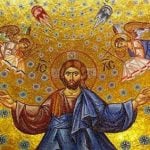



Saint Dionysius
Ave Maria!
Dear Father,
The prevailing academic view on Proclus’s doctrine on evil as expressed, for example, in the Stanford Encyclopedia of Philosophy is: “Dionysius the Areopagite adopted Proclus’ views on evil in his work On the Divine Names. Thanks to this adaptation Proclus’ doctrine of evil had an enormous influence on the later medieval discussions on evil both in Byzantium and in the Latin West and dominated the philosophical debates on evil up to the 19th century.
In fact Proclus’ and Dionysius’ articulation of the doctrine of evil is so similar that it seems most likely one copied from the other: Dionysius copied from Proclus or Proclus copied from Dionysius. It is then, without reason, or rather against reason, assumed that Dionysius copied from Proclus even though according to history Dionysius lived in the first century and Proclus in the fifth century. Indeed for centuries, writers assumed that Proclus did copy.
In The Sacred Writings of Pseudo-Clementine, which was quoted by Origen, and therefore must be dated not later than the first half of the third century, we read: the belief “You say that all confess the existence of evil, is very false, or, first of all, the whole Hebrew nation deny its existence.” and again “we say absolutely that there is no evil in substance”. This belief can be understood because according to their Scriptures after God created everything He “saw that it was good.” Likewise in Christian belief because God, who is all good, created he everything “ex nihilo” there is no room for evil.
As we can see the the original error of ascribing the non-substantial existence of evil to Proclus (instead of being an idea that he copied from earlier sources}, resulted in the belief that Dionysius who held, in the same terms, that belief, must have existed after Proclus whom they mistakenly accused Dionysius of copying.
Born in Constantinople a few years after the death of Saint John Crisostomo, Proclus spent most of his life in Athens where Dionysius of Corinth, as reported by the historian Eusebius, affirms that Dionysius had been Bishop. It wouldn’t seem improbable that a manuscript of Dionysius’ writings might still have survived in Athens. In any case Proclus was a highly prolific writer and judging by this writings, had an extensive library at his disposition as one of the last heads (Diadochi) of the New Academy chosen because he did not hesitate to publicly act out his pagan rituals even amidst the growing Christian society. He would for example turn on a public corner to offer his prayers to the sun god.
Following, without much originality, along the Neoplatonist lines of Plotinus, Proclus succeeded only in multiplying the stages of emanations, writing a lot, often quoting others, such as Porphyry, without giving his source. There is a lack of originality such that his work could be considered an anthology. Philoponus attacking his work “On the Eternity of the World” even accuses him of knowingly falsifying the words of Plato.
Having been converted by Saint Paul, Dionysius writings have always had a place of honor just after the canonical writings. In 827 the legate of the Emperor, Michael Balbi, brought to King Louis the Pious the works of Dionysius the Areopagite. The king handed the manuscript over to the monastery of Saint Dionysius on the vigil of his feast day, the next night 19 miracles of healing occurred.
Much weight has been given to the opposition of Bishop Hypathius, but he was the Bishop of Ephesus which guarded the tradition of the Blessed Mothers death in that city, and Dionysius relates how he viewed her body after her death in Jerusalem.
The renaissance humanist Laurensius Valla attacked the writings challenging that Dionysius was too far away to see the eclipse at the time of the Crucifixion even though the Gospel affirm that it was seen around the world. Most of the modern attacks have center around supposed anachronisms in the writings, even though they are theological common places, or liturgical practices current here and there before they became universally normative.
The fact that the work seems to be unknown for a few centuries after Dionysius would have died, while interesting, is not probative of anything and is far from unique among famous works. In the last century, for example, about 100 new letters or sermons of Saint Augustine have turned up. Saint Louis de Montfort’s “True Devotion” was discovered almost 150 years after he wrote it.
Saint Dionysius and the other 13 Holy Helpers: Pray for us.
God bless,
ΑπάντησηFather Thomas Carleton